Joint Pain & Sports Injury: Causes and Regenerative Treatment
Joint pain and slow-healing injuries usually mean tissue is not getting what it needs to repair. We support that repair at the source.
Book a ConsultationScroll to explore

Understanding Recovery
When Soreness Stops Being Normal
Some soreness is normal
It builds over 24 to 48 hours after a hard session, then fades as tissue rebuilds and adapts.
Stalled recovery is different
Soreness, stiffness, or fatigue that lingers for days or returns with every workout means you are training on tissue that has not finished healing.
Repair depends on the body
Oxygen delivery, inflammation clearance, and cellular energy all drive healing. Tendons, ligaments, and cartilage are slowest because blood supply is limited.
“Pain that keeps coming back is not weakness. It is tissue that has not finished healing, asking for support it is not getting.”
WHEN RECOVERY HAS BECOME A PROBLEM
- Pain lasting over a week
- Soreness that returns every session
- Swelling or reduced range of motion
- Rest no longer resets it
- An injury that keeps recurring
- Sharp or worsening pain
Causes & Symptoms
Common Causes of Joint Pain and Lingering Injury
Acute Injury to Tendons and Joints
Sprains, strains, and joint injuries heal slowly because tendons, ligaments, and cartilage receive limited blood flow, so repair stalls and tissue stays weak.
Overuse and Inadequate Recovery
Training stress accumulates faster than the body repairs, producing microtrauma, tendinopathy, and gradual performance decline.
Chronic Inflammation and Poor Oxygenation
When inflammation lingers or circulation is poor, tissue stays inflamed and cells cannot produce the energy repair demands.
Age, Sleep, and Recovery Capacity
Repair is most efficient during deep sleep with strong circulation. Reduced growth hormone, poor sleep, and dehydration all extend healing time.
Our Approach
Healing the Tissue, Not Just the Pain
Improve the conditions for repair
We target what is actually limiting healing, whether oxygenation, inflammation, or a specific injury, instead of masking pain.
Start with assessment
Your provider reviews your training history, the injury, and your recovery patterns before recommending anything.
Set realistic expectations
Tissue heals on a biological timeline, so soft tissue and joint injuries typically improve over several weeks to a few months.
WE MATCH THE THERAPY TO THE CAUSE
- Stem Cell
- Regenerative stem cell therapy delivers targeted support directly to injured joints and soft tissue.
- MSCs IV
- Mesenchymal stem cell IV therapy supports systemic repair and reduces inflammation at the cellular level.
- Peptides
- Peptide therapy supports recovery and tissue repair. Many patients recover fastest when more than one is combined.
How We Treat It
Treatments for Joint Pain and Sports Injury

FAQ
No guesswork. Just answers.
Soreness that fades within 48 to 72 hours of a hard workout is normal. It becomes a concern when it lingers for days, returns every session, or comes with sharp pain, swelling, or reduced range of motion.
Overlapping causes: acute injury to poorly perfused tendons and joints, overuse that outpaces repair, chronic inflammation and poor oxygenation, and age, poor sleep, and reduced recovery capacity.
After an assessment identifies what is limiting healing, treatment supports tissue repair at the source through regenerative injections, IV therapy, and peptide protocols matched to the injury.
Often, yes. Many lingering injuries stall because oxygen, circulation, and cellular energy are not reaching the tissue, which is exactly what regenerative therapies are designed to support.
Our Clinics
Get Joint Pain & Sports Injury Care Near You
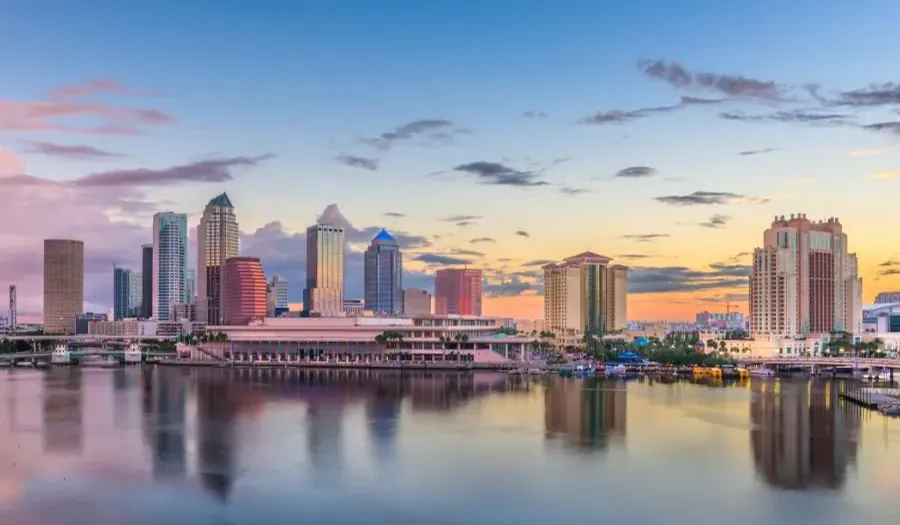 Tampa · Bay Area
Tampa
812 W. MLK Jr Blvd Suite 202, Tampa, FL 33603
Serving Hillsborough County and the greater Tampa Bay area.
Joint Pain and Sports Injury Treatment in Tampa, FL
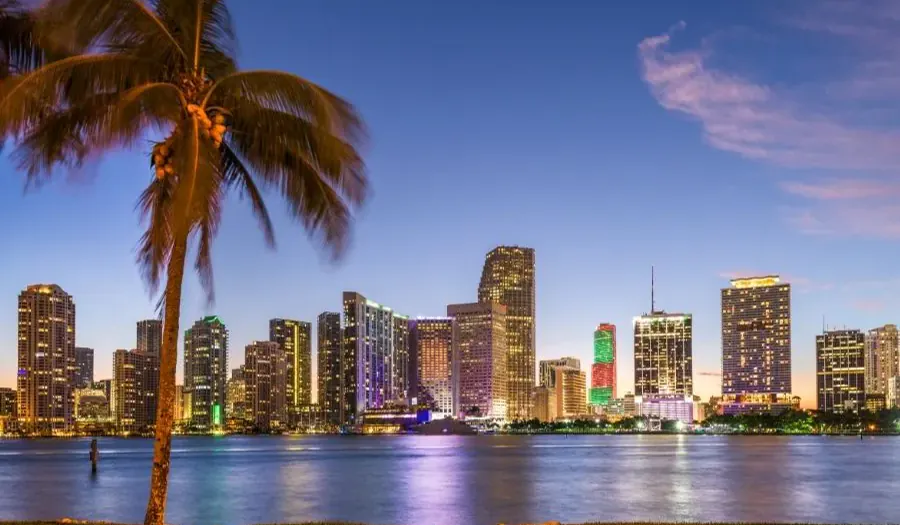 Miami · Flagship
Miami
2103 Coral Way Suite 405, Miami, FL 33145
Serving Miami-Dade County and surrounding South Florida.
Joint Pain and Sports Injury Treatment in Miami, FL
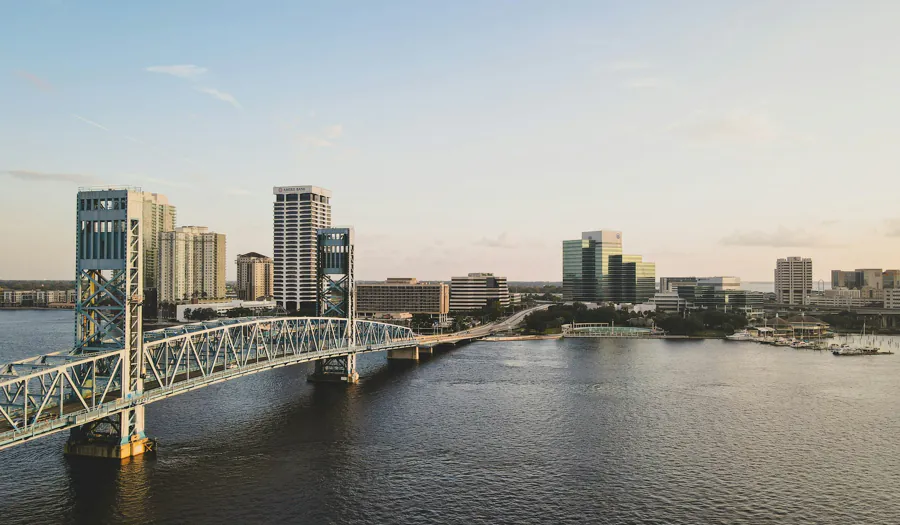 Jacksonville · Southpoint
Jacksonville
6816 Southpoint Pkwy Ste 302, Jacksonville, FL 32216
Serving Duval County and Northeast Florida.
Joint Pain and Sports Injury Treatment in Jacksonville, FL
Take the First Step
Start With a Conversation
Book a consultation and we will talk through your goals, what is realistic, and which regenerative options actually fit your body and your timeline.