Hair Loss & Thinning Hair: Causes, Signs, and What They Mean
Hair loss affects more than 50 million men and 30 million women in the U.S. Understanding what is driving your shedding is the first step toward addressing it.
Book a ConsultationScroll to explore

Understanding Hair Loss
Everyday Shedding, or Something More?
Some shedding is normal
The average scalp holds roughly 100,000 hairs, and shedding 50 to 100 a day is part of the natural growth cycle. This shedding replaces itself, so overall density stays the same.
True loss is different
It happens when follicles produce thinner, weaker hairs over time, or stop producing hair altogether, and the lost strands are not fully replaced.
It is rarely about the hair itself
Thinning usually reflects what is happening in the body: hormones, circulation, inflammation, nutrition, stress, and genetics. Identifying the driver is what makes it possible to address the cause.
“Losing a few dozen hairs a day is just the cycle doing its job. A part that keeps opening up is your scalp asking for help.”
SIGNS IT HAS CROSSED INTO TRUE LOSS
- A widening part
- A receding hairline
- More scalp under bright light
- A smaller ponytail
- Clumps in the drain
- Gradual change over months
Causes & Symptoms
Common Causes of Hair Loss and Thinning Hair
Genetic Pattern Loss
Androgenetic alopecia causes about 95% of male hair loss and a large share in women, driven by inherited DHT sensitivity that shrinks follicles over time.
Hormonal Changes
Thyroid imbalance, menopause, postpartum shifts, and PCOS push follicles into a resting phase, usually as diffuse rather than patterned thinning.
Stress and Telogen Effluvium
A major stressor can force many follicles into shedding at once, causing sudden, widespread thinning two to three months after the trigger.
Nutritional and Scalp Factors
Deficiencies in iron, vitamin D, zinc, and protein, plus poor circulation and inflammation, weaken growth and compound other causes.
Our Approach
How We Rebuild the Scalp Environment
Treat the follicle, not the surface
We reduce inflammation, improve blood supply, and signal dormant follicles back to active growth. This is a medical approach, not a cosmetic one.
Start with assessment
Your provider evaluates your loss pattern, health history, and contributing factors, and may recommend lab work to identify hormonal or nutritional triggers.
Set realistic expectations
Hair grows on a slow biological cycle, so meaningful change unfolds over three to six months. Loss addressed early responds best.
WE MATCH THE APPROACH TO THE CAUSE
- Scalp Therapy
- Regenerative scalp therapy supports follicle function directly at the cellular level.
- Hormones
- Bioidentical hormone optimization addresses hormone-driven thinning at its source.
- Circulation
- Red light therapy improves circulation and cellular energy at the scalp. Often the most effective plan combines more than one.
How We Treat It
Treatments for Hair Loss

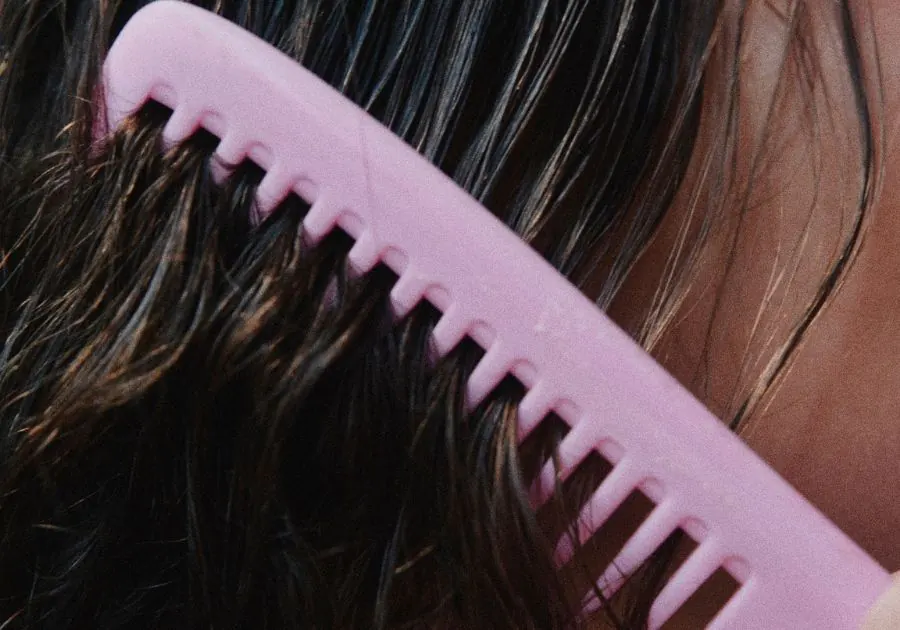
Hair Restoration
Regenerative therapy to reactivate follicles and support fuller growth.
Learn more
Peptide Therapy
Provider-led protocols supporting recovery and hormonal balance.
Learn more
MSCs IV Therapy
Cellular repair and whole-body regenerative support.
Learn more
Weight Management
Addresses metabolic and hormonal factors that can drive thinning.
Learn more
FAQ
No guesswork. Just answers.
Shedding 50 to 100 hairs a day is normal and part of the natural cycle. Consistently losing more, or seeing your part widen, suggests true hair loss.
Shedding is normal turnover with density staying constant. True loss occurs when follicles produce weaker hairs or stop, and strands are not replaced.
Common causes include genetic pattern loss, hormonal changes, stress-related shedding, and nutritional deficiencies, and they often overlap.
It depends on the cause and how early it is addressed. Follicles still active can be supported with regenerative therapy, hormone optimization, and improved scalp health.
Our Clinics
Hair Restoration Near You
 Tampa · Bay Area
Tampa
812 W. MLK Jr Blvd Suite 202, Tampa, FL 33603
Serving Hillsborough County and the greater Tampa Bay area.
Hair Restoration in Tampa, FL
 Miami · Flagship
Miami
2103 Coral Way Suite 405, Miami, FL 33145
Serving Miami-Dade County and surrounding South Florida.
Hair Restoration in Miami, FL
 Jacksonville · Southpoint
Jacksonville
6816 Southpoint Pkwy Ste 302, Jacksonville, FL 32216
Serving Duval County and Northeast Florida.
Hair Restoration in Jacksonville, FL
Take the First Step
Start With a Conversation
Book a consultation and we will talk through your goals, what is realistic, and which regenerative options actually fit your body and your timeline.